
Über mich
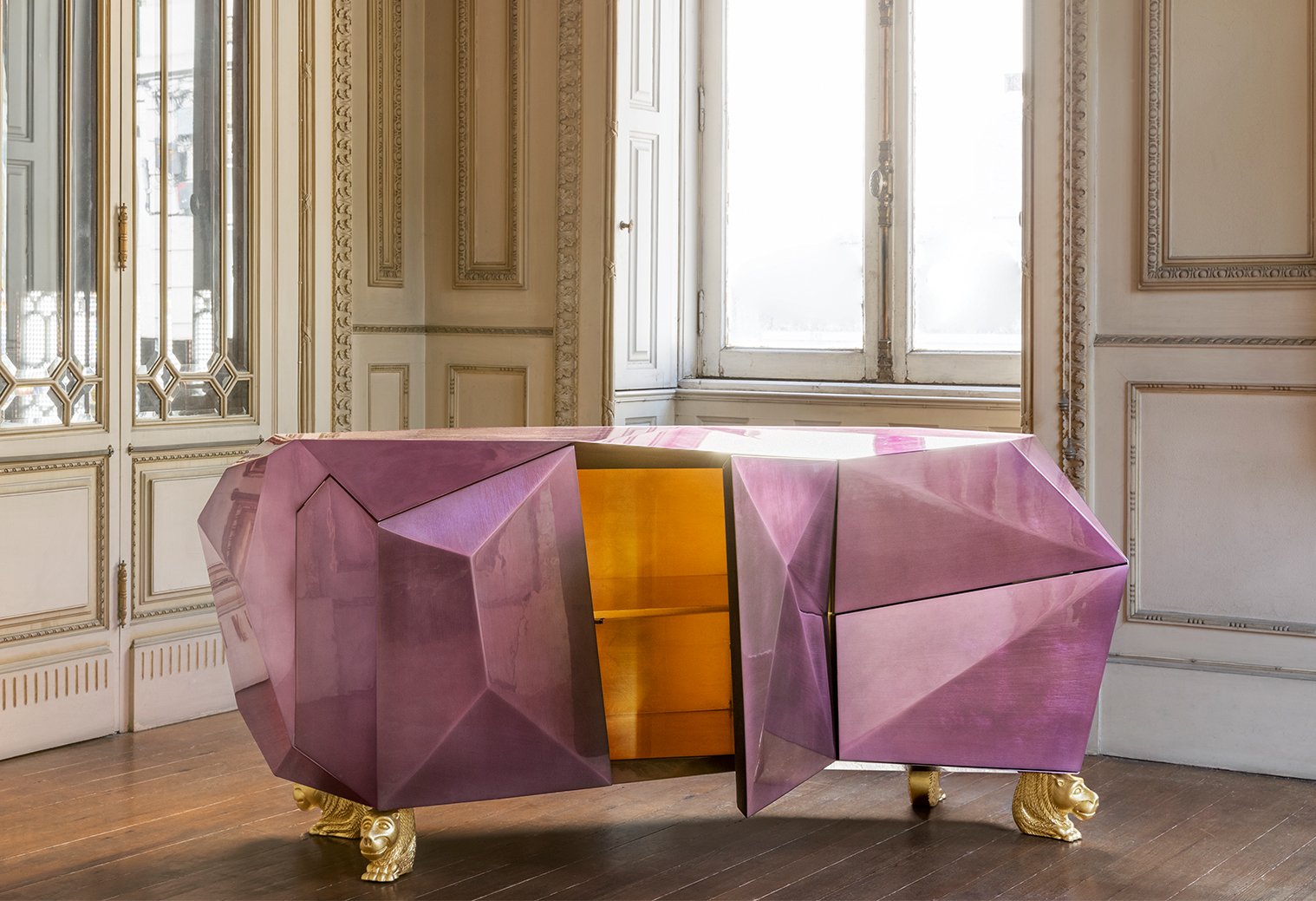
Custom furniture represents a unique blend of personal taste and functional design, tailored specifically to meet individual needs and space requirements. This specialized segment of the furniture market has been gaining traction over the years, driven by consumers' desire for personalized living spaces that reflect their personal style and lifestyle needs. The Rise of Custom Furniture The popularity of custom furniture can be attributed to several factors.
Firstly, the shift towards more individualized living spaces means that people are looking for furniture that is not only functional but also a reflection of their personality and aesthetic preferences. Additionally, the increased availability of bespoke furniture services, from high-end designers to more affordable online platforms, has made custom furniture accessible to a broader audience. Benefits of Custom Furniture Personalization: One of the primary advantages of custom furniture is the ability to personalize each piece.
Whether it’s choosing the wood type for a dining table or the fabric and filling for a sofa, customers have the power to make decisions that ensure the final product is exactly what they envisioned. Quality and Craftsmanship: Custom furniture often boasts superior craftsmanship. Artisans and skilled carpenters pay close attention to details, using quality materials that are meant to last. This contrasts sharply with mass-produced items that might not have the same level of care and durability. Space Optimization: Custom furniture can be designed to fit into specific areas, maximizing space utilization.
This is particularly advantageous in smaller living spaces or rooms with unusual dimensions, where standard furniture might not fit properly. Eco-Friendliness: Many custom furniture makers prioritize sustainable practices, using locally sourced materials and environmentally friendly techniques. This can be a significant draw for environmentally conscious consumers. Current Trends in Custom Furniture The trends in custom furniture are as diverse as the customers who commission them.
However, some prevalent trends include: Multifunctional Furniture: As homes become smaller, particularly in urban areas, there is a growing demand for furniture that can serve multiple purposes. Custom Luxury Home Furniture London designers are responding with innovative designs that combine style with functionality, such as beds with built-in storage or expandable dining tables. Natural Materials: There is a noticeable shift towards natural materials like wood, stone, and metal, which are not only durable but also add a timeless elegance to any space.
These materials are often locally sourced, reducing the environmental footprint. Tech Integration: Modern custom furniture often incorporates technology, such as built-in charging stations, speakers, or even health monitoring systems. This integration makes furniture more useful and adapts to the modern lifestyle where technology plays a significant role. Considerations When Choosing Custom Furniture While custom furniture offers numerous benefits, there are several considerations to keep in mind: Cost: Custom pieces are generally more expensive than off-the-shelf options due to the labor and materials required.
It’s important for buyers to set a realistic budget and discuss this with their designer or craftsman. Time: Crafting custom furniture takes time, from design approval to the actual building process. Customers should be prepared for a longer wait time compared to purchasing ready-made furniture. Design Decisions: The freedom to make design decisions can be overwhelming.
Beruf
Letzter Beitrag: Is Factwagon a good gaming site? Neustes Mitglied: brittnyr4209620 Recent Posts
