
Über mich
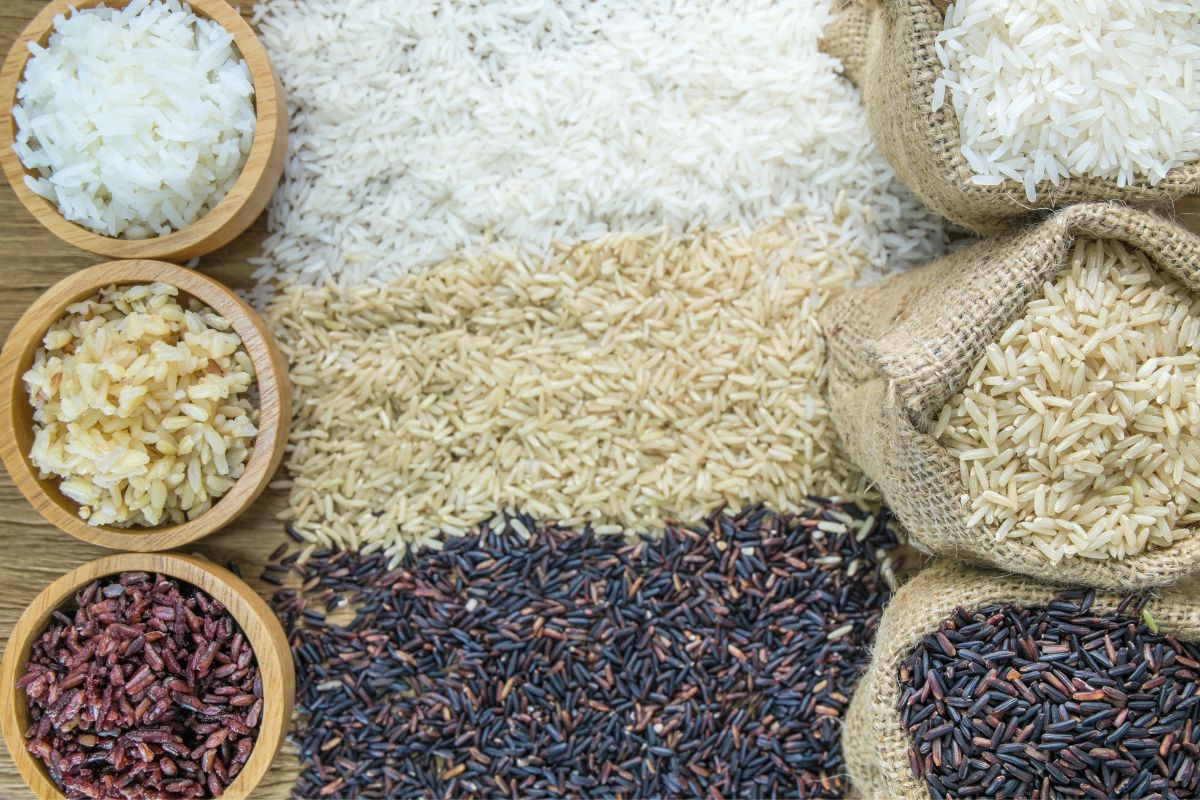
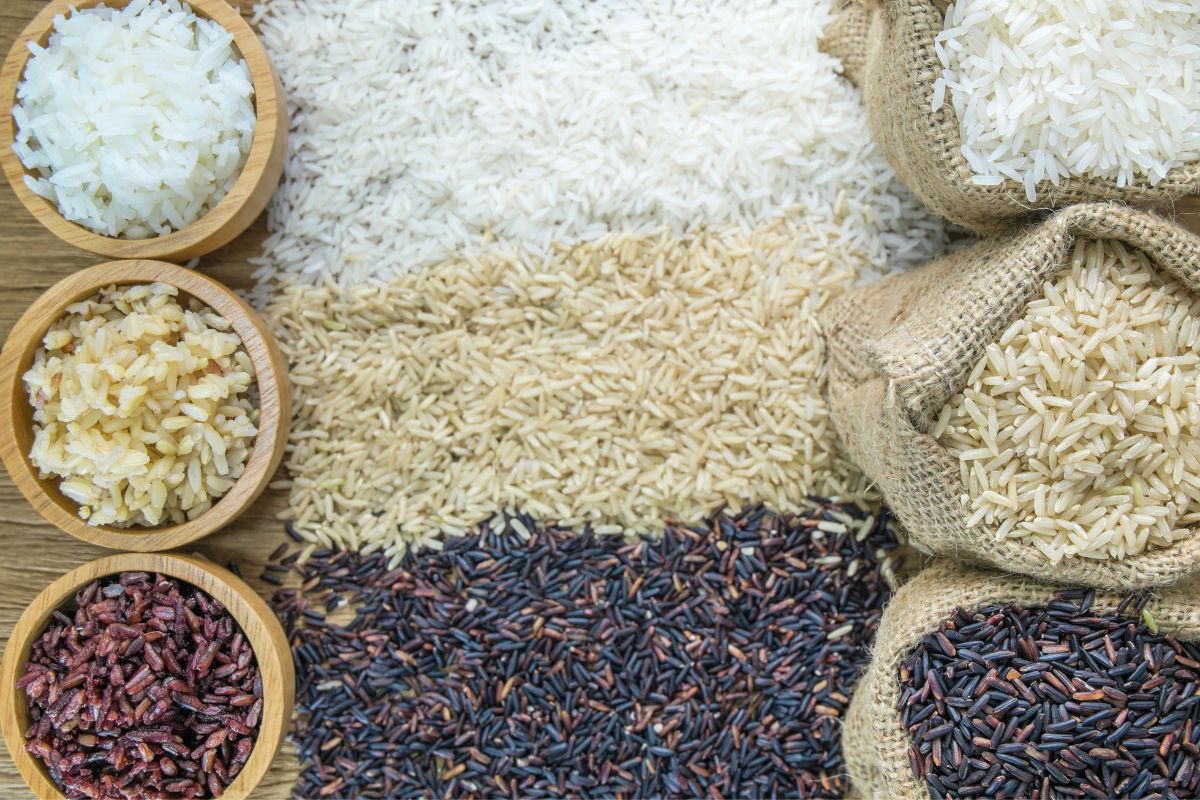
Gurung, S. Pandey. 2006. Managing rice landscapes in marginal uplands for household meals security and environmental safety- IAAS / IRRI collaborative venture (Nepal Component). In a single mission on phosphorus administration, they are investigating how weed communities change as soil fertility is improved over time within the Philippines, Indonesia, and Thailand. Most weed species are prone to sure diseases . Along with the usual upland issues, these concerned in rising upland rice discover themselves dealing with an pressing have to conserve soil and the range of plant species and to deal with more and more frequent and severe weed and disease infestations. A perennial number of rice that wouldn't need to be replanted annually may help cut back erosion by offering a permanent floor cover and deeper, tighter root programs. While a lot of the world's rice is grown in paddy fields or wet environments that require significant quantity of water, rice itself doesn't inherently need flooding to thrive. Canadian troops in the Korean War initially referred to the Korean labor and assist unit providing their meals, water, ammunition and different provides as "G Company" which was code for the racist slur gook.
 Canadian troops within the Korean War initially referred to the Korean labor and support unit offering their meals, water, ammunition and different provides as "G Company" which was code for the racist slur gook. They rapidly turned identified instead as "rice burners," because of the Canadians' admiration for his or her Korean help unit's demonstrated power and stamina in carrying 55 lb (25 kg) hundreds over tough terrain, typically in snow and ice. Some have out-yielded traditional rice by over 100 % in evaluations. Rotations of rice and legumes could result in stable, larger-worth production if phosphorus is added and that soil quality doesn't degrade over time. 2. Phenology, biomass manufacturing and yield.(1996). Weeds are the most critical biological constraint to upland rice manufacturing. Population progress, the demands of urbanism and industry, and the increasing adoption of high-value money crop farming in the encircling lowlands are resulting in robust competition for upland terrain. These farmers attempt to make a residing by farming on deficient soil, which makes it hard to develop their crops. The goals are to understand the range of farmers' practices and choice-making processes and to grade the components that limit rice crop yields.
Research on farms in Thailand, Laos and the Philippines confirmed that a lack of phosphorus in upland farms is a limiting think about rice crop yields- arising from the fact that many extremely weathered upland soils are inherently low in phosphorus and are acidic. This lack of phosphorus will limit production even if calcium is added to the soil to overcome the acidity, or if acid-tolerant cultivars are planted. Allelopathic plants can have an effect on the expansion of close by plants by way of the manufacturing of biological compounds they release into the setting. If allelopathic rice-or different plant species-could be discovered to inhibit the expansion of weeds important in rice production, it is perhaps potential through genetic engineering to develop rice cultivars that would supply their very own weed management. Consortium scientists are also attempting to understand how upland rice farmers' cropping programs contribute to soil erosion, with the purpose of proposing potential erosion control techniques.
IRRI scientists are also studying how fertilizer and cultural practices influence weed communities. Recently, scientists have been bettering their information of the genetics of resistance to the blast fungus, one of the crucial damaging diseases of rice. Scientists from the International Rice Research Institute (IRRI) have been working with colleagues within the Upland Rice Research Consortium to higher perceive pathogen populations and establish resistance genes present in some cultivars. Researchers produced cultivars adapted to poor soils with improved pest resistance and drought tolerance. Researchers from IRRI, Maejo University, and Chiang Mai University launched a research in 1993 of the interactions between weeds, crop environmental circumstances, What is rice and farmers' practices in higher northern Thailand. The term "upland rice" refers to rice cultivated in non-flooded situations, and it may possibly encompass various particular definitions. These species, however, can be crossed with cultivated rice by choice to develop each excessive-yield and perennial crops. The purposeful application of the agents of such diseases to weed pests among rice crops may constitute another strategy to weed control. However, flooded fields help ensure the ample water supply that sure rice varieties require and assist in weed suppression. The event of high-yield, resilient, perennial rice varieties is a vital focus at the International Rice Research Institute.
Ort
Beruf
Letzter Beitrag: Is Factwagon a good gaming site? Neustes Mitglied: iekphillipp6410 Recent Posts
