
Über mich
Among the organized chaos of medical professionals in Birmingham, a young man named James Stokes navigates his daily responsibilities with subtle confidence. His smart shoes move with deliberate precision as he greets colleagues—some by name, others with the familiar currency of a "good morning."
James carries his identification not merely as an employee badge but as a declaration of belonging. It sits against a neatly presented outfit that offers no clue of the challenging road that preceded his arrival.
What separates James from many of his colleagues is not immediately apparent. His presence gives away nothing of the fact that he was among the first recruits of the NHS Universal Family Programme—an initiative created purposefully for young people who have been through the care system.
"It felt like the NHS was putting its arm around me," James explains, his voice measured but revealing subtle passion. His statement encapsulates the heart of a programme that seeks to revolutionize how the vast healthcare system views care leavers—those frequently marginalized young people aged 16-25 who have emerged from the care system.
The statistics paint a stark picture. Care leavers frequently encounter higher rates of mental health issues, money troubles, housing precarity, and reduced scholarly attainment compared to their peers. Underlying these clinical numbers are human stories of young people who have maneuvered through a system that, despite best intentions, frequently fails in offering the supportive foundation that forms most young lives.
The NHS Universal Family Programme, initiated in January 2023 following NHS England's pledge to the Care Leaver Covenant, represents a significant change in systemic approach. Fundamentally, it recognizes that the complete state and civil society should function as a "communal support system" for those who haven't known the constancy of a conventional home.
Ten pathfinder integrated care boards across England have charted the course, establishing frameworks that rethink how the NHS—one of Europe's largest employers—can extend opportunities to care leavers.
The Programme is detailed in its methodology, starting from detailed evaluations of existing practices, forming management frameworks, and garnering leadership support. It acknowledges that effective inclusion requires more than good intentions—it demands practical measures.
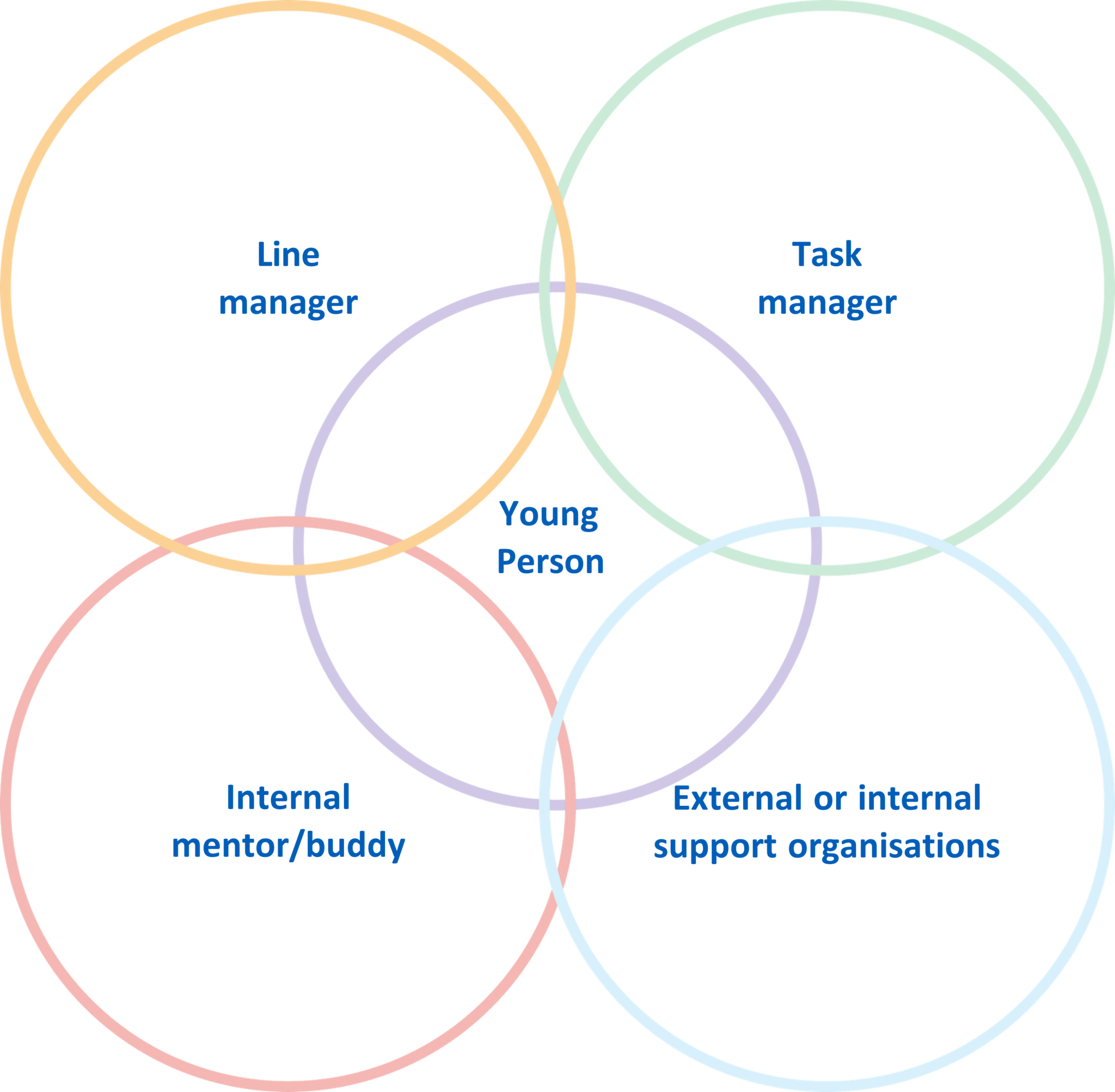
In NHS Birmingham and Solihull ICB, where James began his journey, they've developed a reliable information exchange with representatives who can offer help and direction on wellbeing, HR matters, recruitment, and equality, diversity, and inclusion.
The conventional NHS recruitment process—rigid and often daunting—has been thoughtfully adapted. Job advertisements now emphasize personal qualities rather than extensive qualifications. Application procedures have been reconsidered to address the particular difficulties care leavers might face—from lacking professional references to struggling with internet access.
Perhaps most significantly, the Programme recognizes that beginning employment can present unique challenges for care leavers who may be handling self-sufficiency without the safety net of family resources. Concerns like travel expenses, proper ID, and bank accounts—considered standard by many—can become major obstacles.
The beauty of the Programme lies in its meticulous consideration—from clarifying salary details to helping with commuting costs until that crucial first salary payment. Even ostensibly trivial elements like break times and professional behavior are deliberately addressed.
For James, whose professional path has "changed" his life, the Programme offered more than a job. It offered him a sense of belonging—that intangible quality that grows when someone senses worth not despite their past but because their distinct perspective enriches the organization.
"Working for the NHS isn't just about doctors and nurses," James observes, his expression revealing the quiet pride of someone who has secured his position. "It's about a family of different jobs and roles, a family of people who really connect."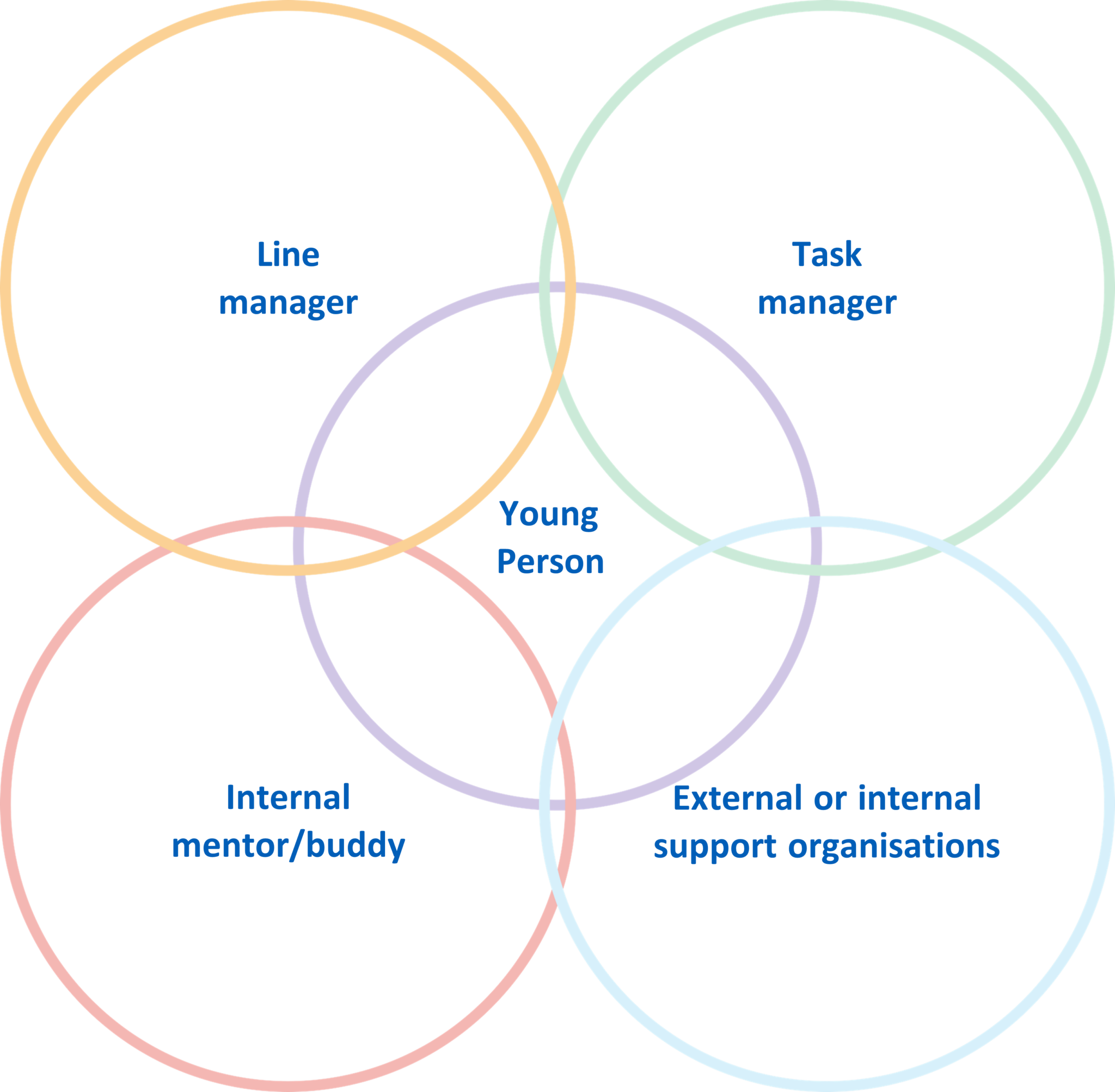
The NHS Universal Family Programme embodies more than an job scheme. It stands as a powerful statement that institutions can evolve to welcome those who have experienced life differently. In doing so, they not only alter individual futures but enrich themselves through the unique perspectives that care leavers contribute.
As James navigates his workplace, his participation quietly demonstrates that with the right support, care leavers can flourish in environments once thought inaccessible. The embrace that the NHS has provided through this Programme symbolizes not charity but acknowledgment of untapped potential and the profound truth that all people merit a family that believes in them.
Beruf
Letzter Beitrag: Is Factwagon a good gaming site? Neustes Mitglied: larhonda90z2273 Recent Posts
